In catastrophic injury lawsuits, showing your client’s life-changing disability is one of the most crucial components of swaying your case. To that end, the right combination of demonstratives quickly shows the extent of what was lost. Those demonstratives can play a key role toward maximizing pain-and-suffering damages.
What’s the best way to present a client’s life story so damages feel real and earned?
The right combination of documentary videos, animated reconstructions, and medical illustrations can empirically show how the defendant neglected their legal or moral responsibilities, thus causing major harm. Whether mediating with an insurance adjuster or presenting to a courtroom audience, showing how a catastrophic injury affected the plaintiff’s life — what it took away — contextualizes the injuries in a visceral way.
Visuals demonstrate how negligence disrupted someone else’s physical function, daily responsibilities, and future capacity through a sequence of expert-validated images, timelines, and medical storytelling.
Showing your client’s pain and suffering in real ways takes away the veneer of theory and forces them to confront the plaintiff’s new reality.
Why advanced courtroom graphics make the life story more believable
A persuasive damages story shows what the client reliably did before the incident, how the injury event interrupted that capacity, and why those changes matter in real life.
The strongest presentations layer the story. A role-based timeline can establish pre-incident routines, physical responsibilities, and family demands.
A mechanism of injury animation or 3D accident reconstruction can then explain how vector forces moved through the victim’s body — shattering their ability to live normally.
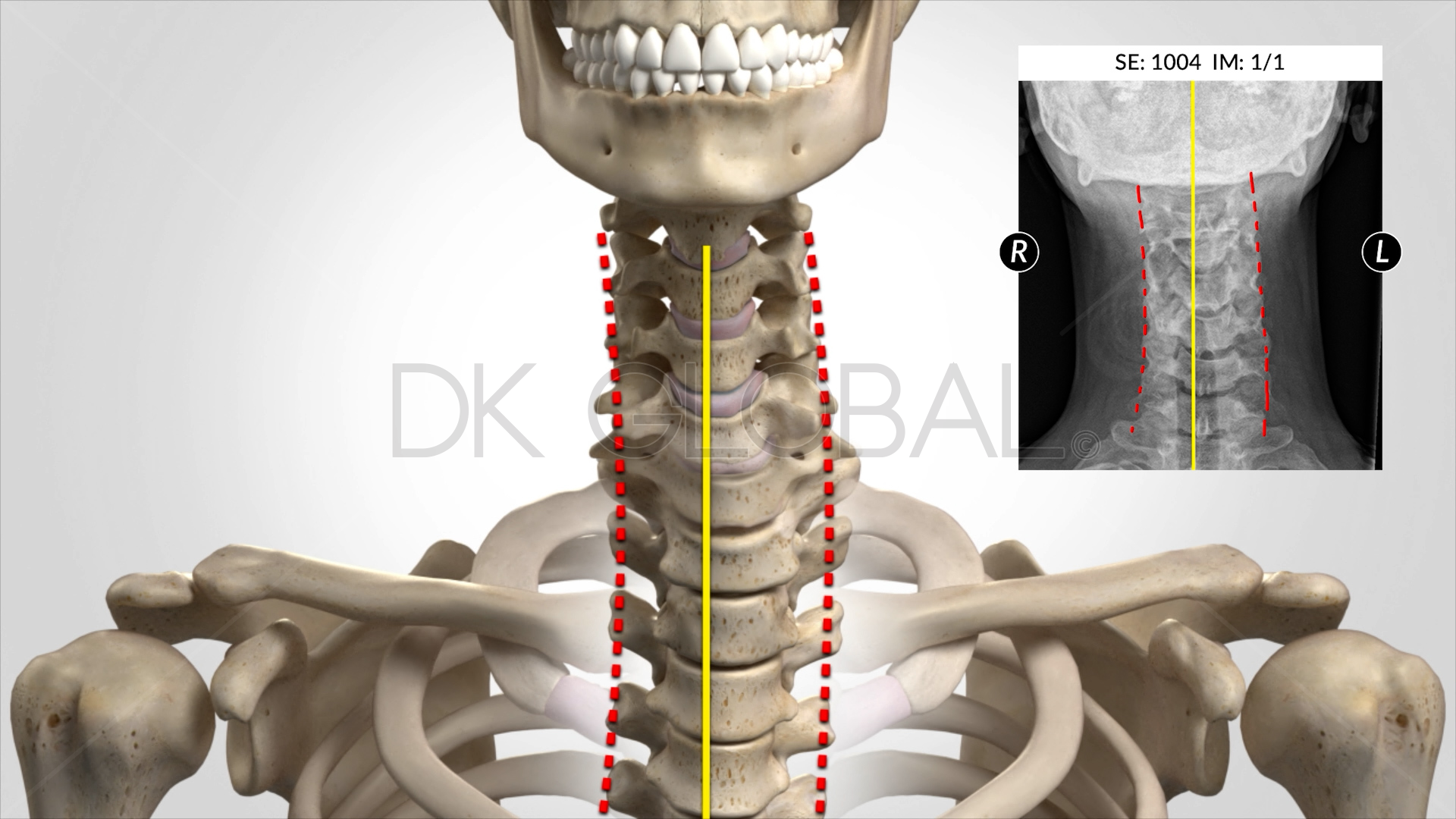
Medical illustrations, enhanced medical scans, or surgical animations can show the biology of structural injury and how a victim’s mental or physical capacity has been forever limited.
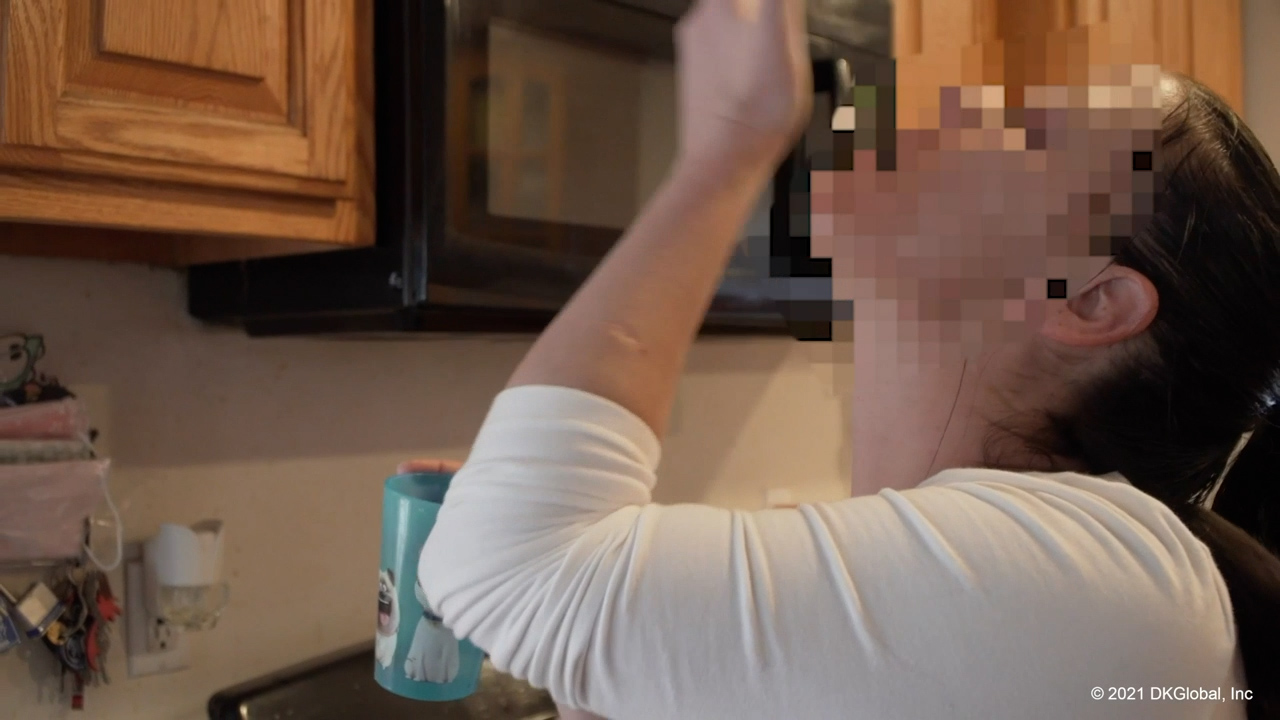
A day-in-the-life video or bespoke timeline film can then show what those injuries mean in lived terms. When every piece is validated through retained experts, damages feel less like advocacy and more like proof.
Attorneys! — Need a 3D Trial Graphic for your next case?

How a client’s loss of function in their personal lives can be the strongest damages visuals
A hardworking client’s story becomes persuasive when the presentation shows what their life was before an incident and how it compares after.
The most effective visuals convert abstract character evidence into observable function: deteriorated physical ability, diminished enjoyment of life, inability to provide care, and loss of ability to carry responsibilities without assistance. Those shifts matter because damages become easier to value when the jury can see the client as a system of roles that once operated smoothly and no longer does.
This is where visuals outperform testimony alone. A timeline can show how long the client maintained demanding routines before the incident. A day-in-the-life video can contrast independence with current limitations. A document-driven presentation can show missed milestones, interrupted treatment progression, and the accumulation of losses over time.
This is also where the quality of your visuals can act as a force multiplier. Instead of asking the fact finder to infer the depth of harm, the presentation makes the disruption visible. In a contested damages case, that often makes the difference between a plaintiff who seems generally sympathetic and one whose losses feel concrete, measurable, and earned.

How advanced visual design helps simplify complex damages themes
The best legal visuals do not just display facts; they organize them so the damages theory feels structurally sound. When liability, causation, and damages all overlap, advanced design choices help separate noise from meaning.
Visual hierarchy, controlled pacing, scene framing, and selective emphasis can direct attention to the facts that matter most: what the client could do before, what changed after, and why those changes are tied to the incident instead of age, degeneration, or unrelated history.
That design discipline becomes even more valuable when the case involves multiple injury layers. To attribute the defendant’s negligence to damages, a presentation may need establish causation by moving from crash mechanics to anatomy, then from anatomy to surgery, and then from surgery to permanent lifestyle change.
If those transitions are handled poorly, the story can feel disjointed. If handled correctly, the visuals create continuity between event and outcome. The damages claim then feels less like a collection of separate complaints and more like a coherent chain of loss.
How to show that damages are earned, not exaggerated
Damages feel earned when each emotional point is anchored to objective structure. This can be done using real-life footage (day-in-the-life) from the plaintiff before the incident and how their life changed after an accident. Or through a detailed animation that digs into the anatomy of the victim’s physical capability, and details what was taken away or how they are forever changed.
Show the work performed, the life they lived, the household tasks handled, the people who depended on that effort, and the level of physical consistency that existed before the incident.
Then, use visuals to mark what changed: missed work, reduced endurance, limited range of motion, surgical intervention, cognitive disruption, loss of consortium, or inability to maintain family roles.
That structure is especially powerful where the client delayed care or tried to push through an injury. If a personal injury client tried to keep going despite pain, the visuals should show the timeline of symptom escalation, failed conservative care, and the moment daily function truly broke down.
Read more: How Reconstruction Visuals Show Liability in a Disputed Intersection Car Crash
How are these visuals validated for trial use?
The most persuasive demonstratives are developed with the attorney’s experts, not around them. Accident reconstructionists can validate motion and impact dynamics. Biomechanical or engineering experts can assess force pathways.
Treating physicians and surgeons can confirm anatomy, injury progression, and procedure details. Radiologists can review enhanced imaging. Life care planners or vocational experts can help connect physical loss to future damages.
That expert validation helps keep visuals disciplined, defensible, and tied to the theory of the case.
FAQ
What is the best visual for presenting a personal injury client’s damages?
Usually a combination of a before-and-after timeline, expert-validated medical visuals, and — if the situation allows — day-in-the-life videos.
These can be packaged into a cohesive video demonstrative that makes every process of the injured party’s damages clear and connected to the defendant’s negligence.
What is the best framework for telling the client’s personal injury story?
- Before: show the client’s routine, work ethic, physical reliability, and family role
- Incident: explain how negligence caused the injury using mechanics and anatomy
- After: show treatment burden, loss of function, and changed responsibilities
- Future: present long-term limitations, reduced earning capacity, and diminished life participation
This framework works because it mirrors how damages are evaluated. It identifies what existed, what changed, and why that change should be compensated.
How do advanced courtroom graphics avoid looking overly dramatic?
By grounding every visual in records, physical evidence, and expert witness validation rather than speculation or theatrical effects.
Making trial graphics with high-level production isn’t about adding embellishments; it’s about accurately and cohesively showing the full extent of what the victim lost.